
Room & running costs
Choose the room question before the appliance
Separate air movement, active cooling and additional heat before comparing a fan, portable air conditioner or electric heater.
Read the guideSeparate air movement, active cooling and additional heat before comparing a fan, portable air conditioner or electric heater.
Read the guide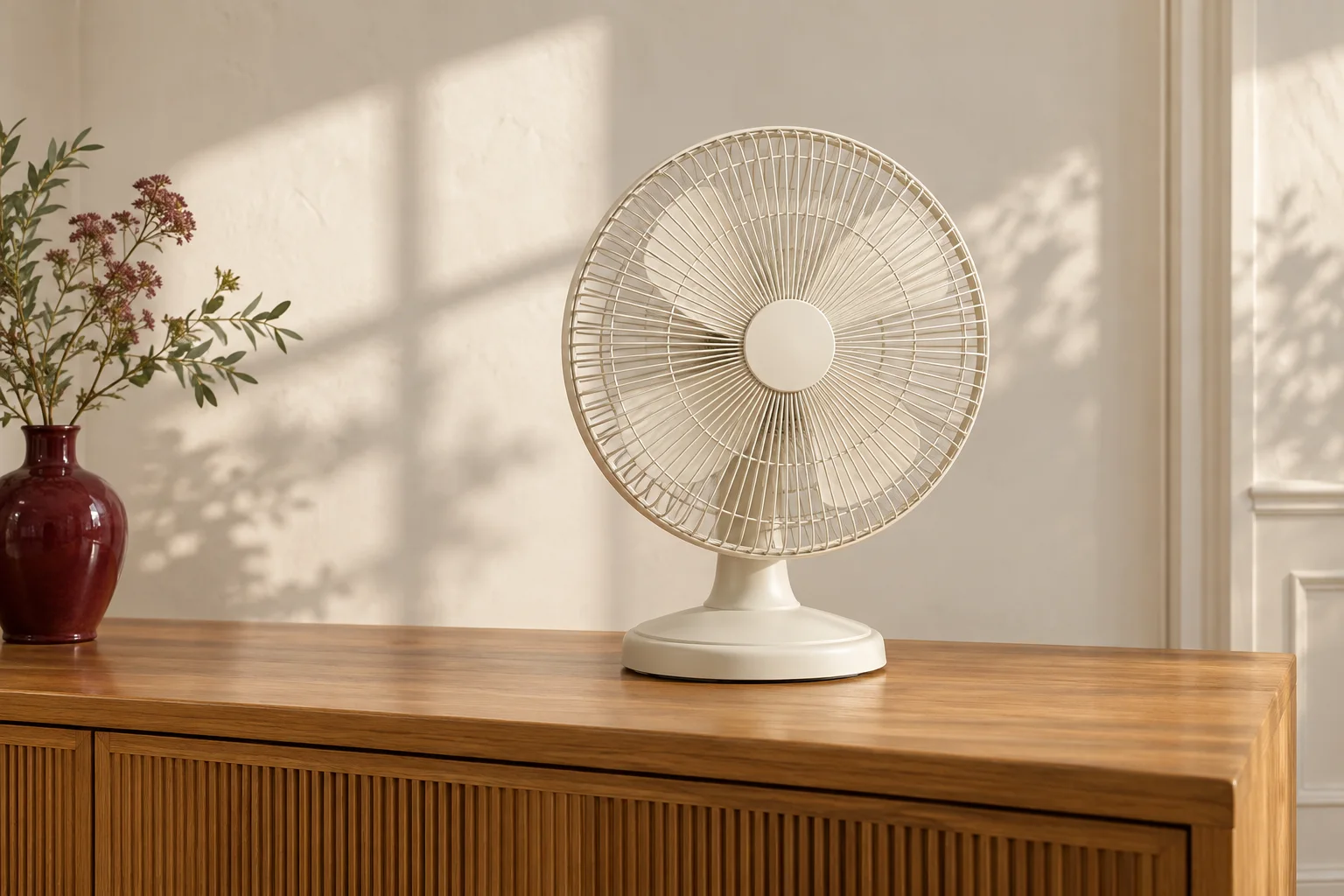
Separate height, base dimensions and moving space so a photograph does not become a false fit check.
Read the guide
Put cubic metres per hour and cubic metres per minute on the same basis while keeping air speed and electrical input separate.
Read the guide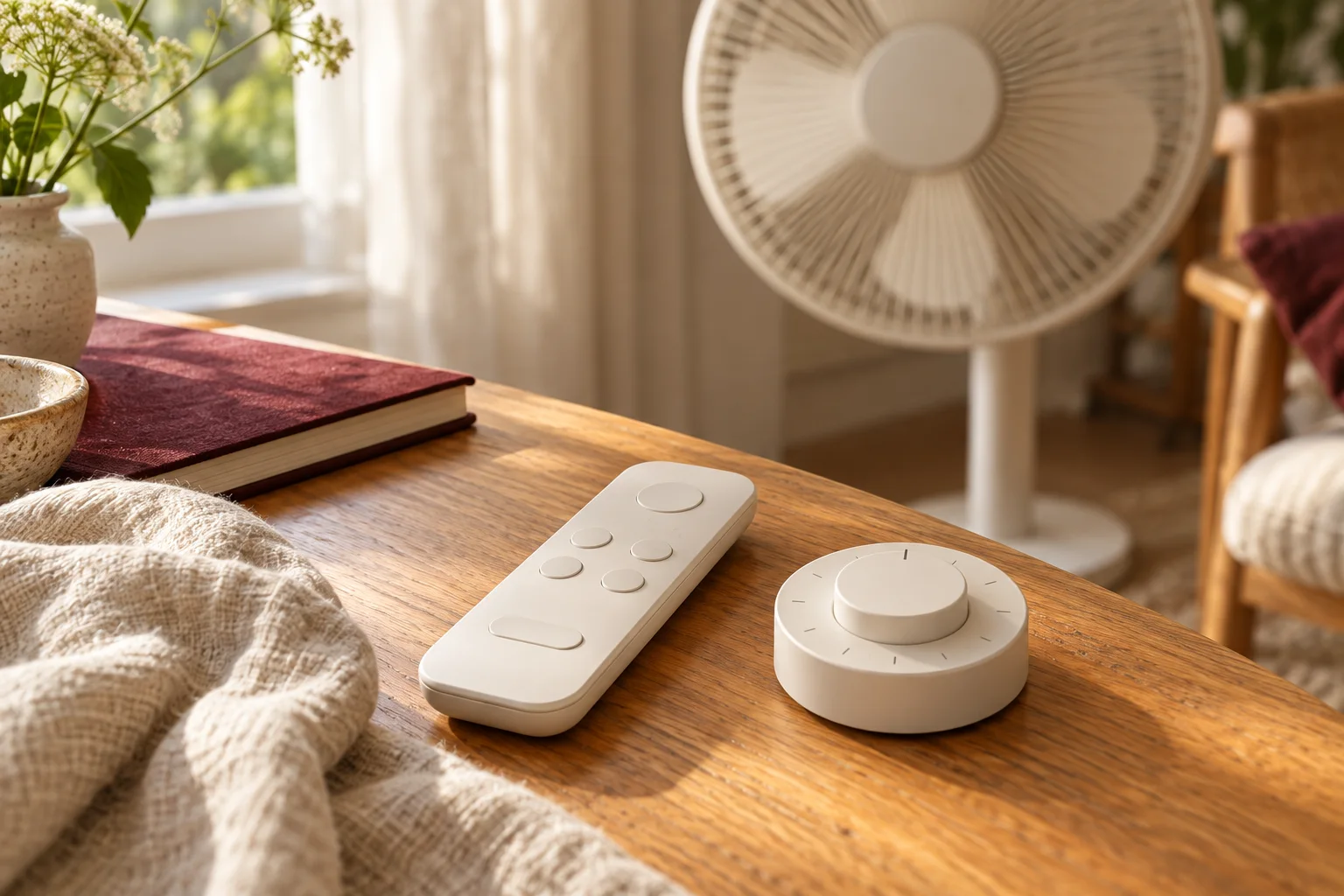
Distinguish delayed start, delayed stop and automatic speed changes before relying on a timer label.
Read the guide
Keep the source label, speed and measurement conditions beside a sound number instead of treating a low headline figure as a room guarantee.
Read the guide
Record the opening, the duct route and the exact kit before treating a portable air conditioner as a fit for your room.
Read the guide
Read the labels beside the numbers and use a transparent electricity scenario without promising actual cooling or bills.
Read the guide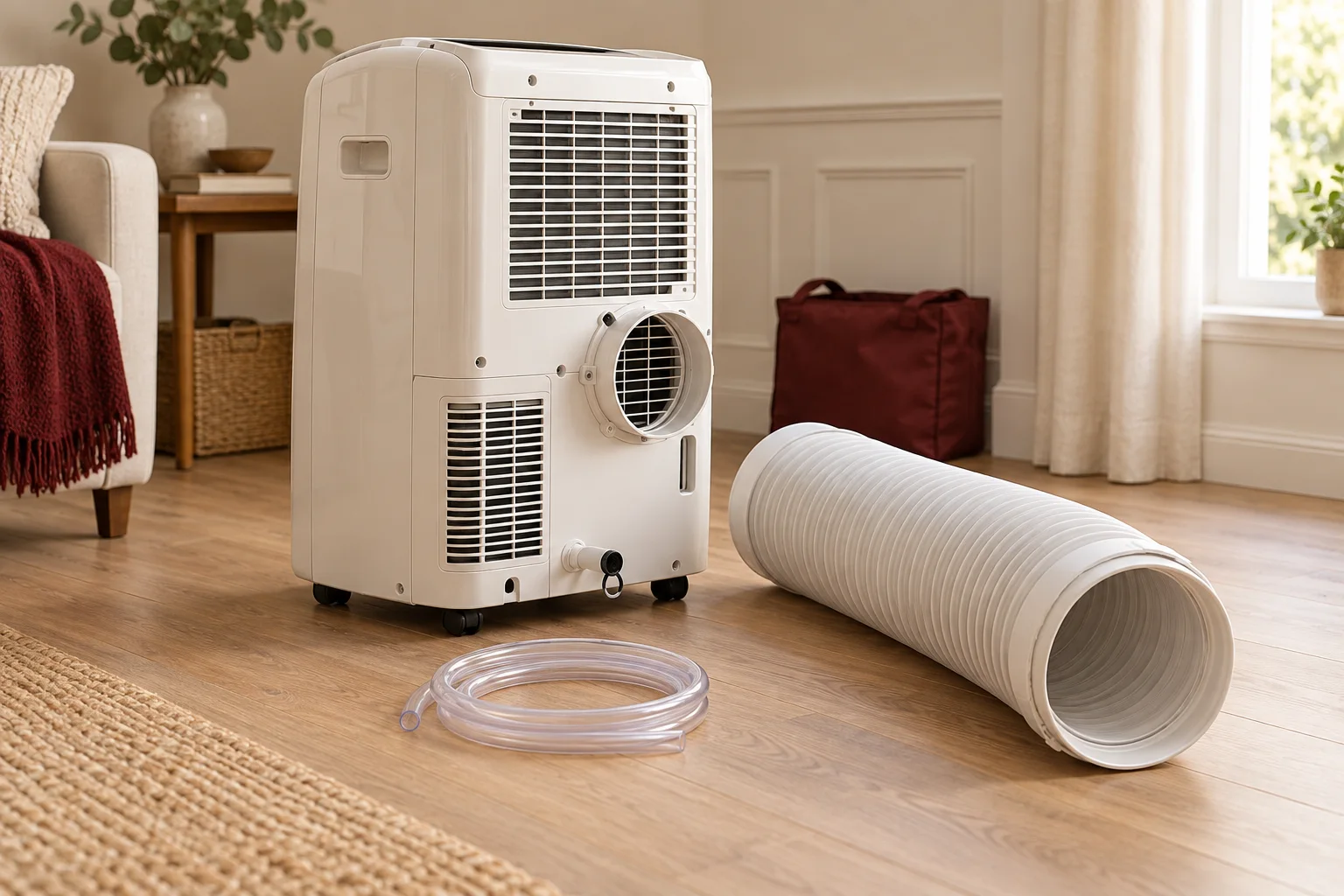
Distinguish the large exhaust duct from water drainage and identify the model-specific instructions before planning a location.
Read the guide
Separate appliance dimensions, combustible clearance and the route through the room before choosing a portable heater.
Read the guide
Use labelled electrical power, time and tariff assumptions, while keeping thermostat behaviour and safe use outside the arithmetic.
Read the guide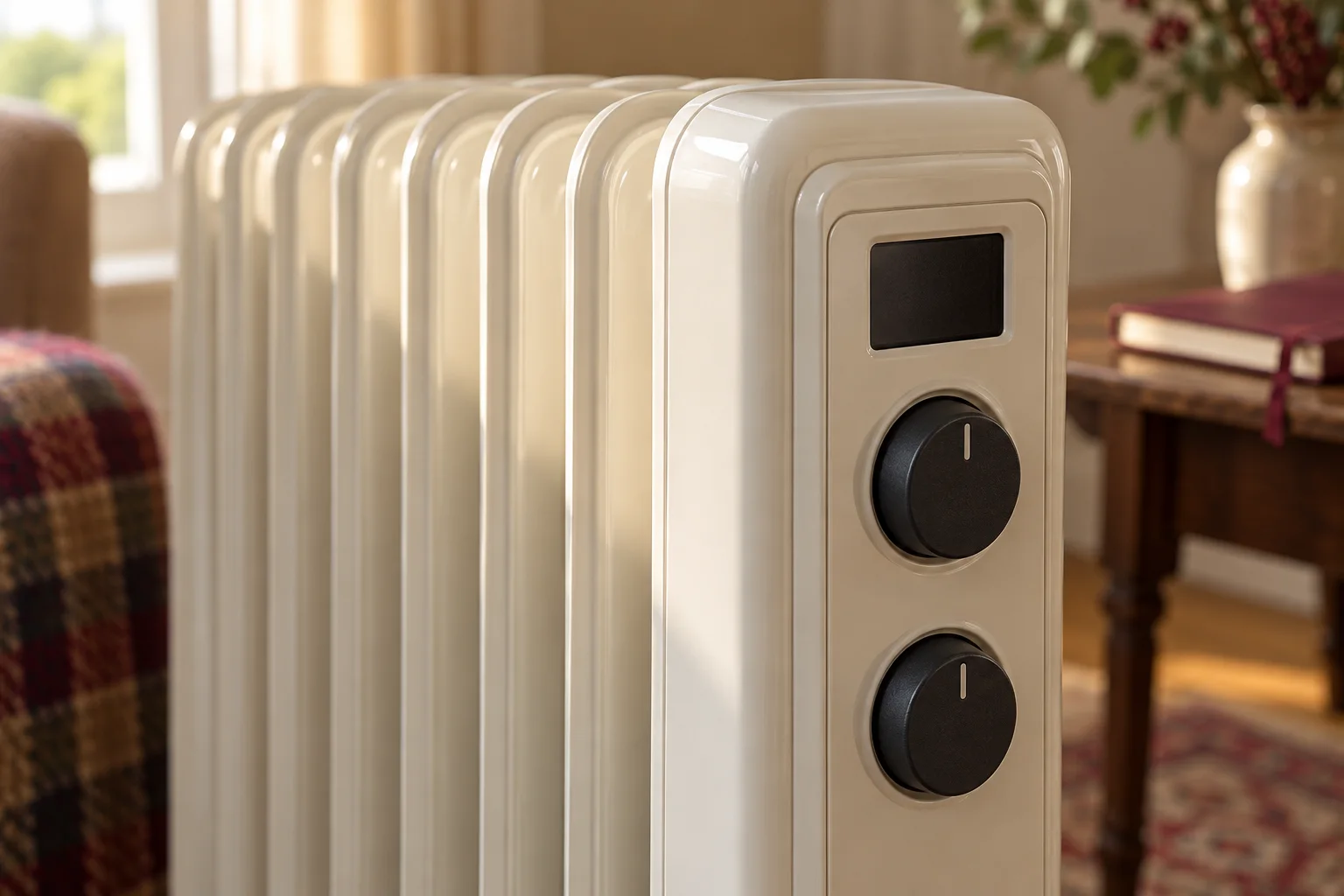
Check standby, frost protection and the model-specific restrictions on external switching rather than trusting a short mode label.
Read the guide
Use two questions—when and what target—to read controls without confusing a schedule with a guaranteed room temperature.
Read the guide
Record range, available functions and replacement compatibility without assuming a similar-looking remote will work.
Read the guide
Record readings, time and context without turning a selected target or an isolated observation into a performance claim.
Read the guide
Hold time and tariff constant, change one power input and keep the result separate from a product-performance ranking.
Read the guide
Separate the appliance, compatible equipment, delivery and optional items before comparing a total with your own budget.
Read the guide
Measure the stored arrangement, label removable equipment and keep storage conditions distinct from operating clearances.
Read the guide
Identify the model, preserve the permitted method and record unresolved damage without turning a general guide into disassembly instructions.
Read the guide
Check what changed during storage before returning a fan, cooler or heater to service under its exact instructions.
Read the guide
Use exact identifiers and official notices rather than a product photograph, broad wattage or an incomplete search result.
Read the guide