Check the window before choosing portable cooling
Record the opening, the duct route and the exact kit before treating a portable air conditioner as a fit for your room.
Updated:
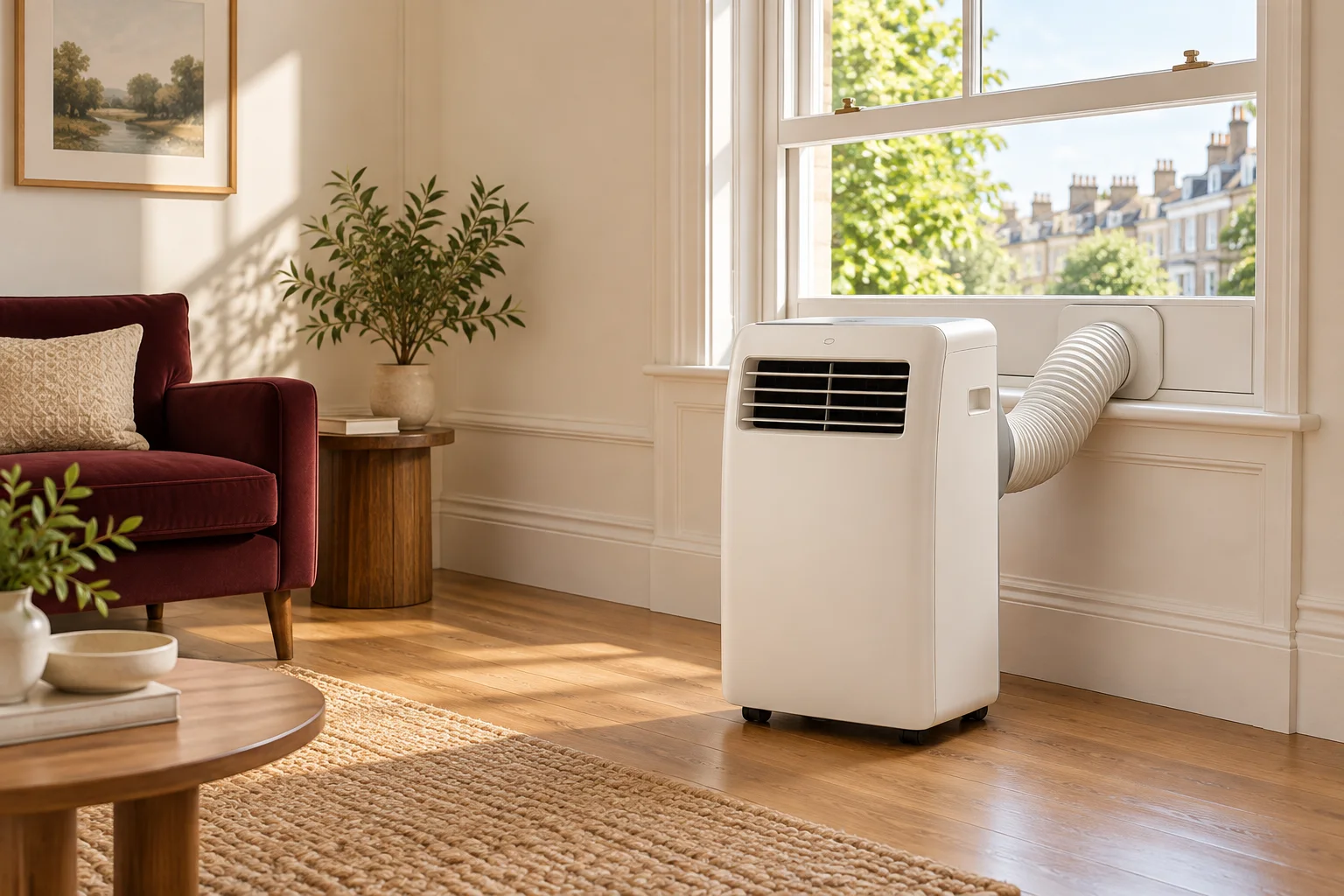
Start with the opening you actually have
The Cirro 12000 manual distinguishes a standard kit for sliding windows and doors from a flexible kit for other openings. Its supplied duct is 1.8m long and must not be extended. These are instructions for that documented model, not a universal rule for every portable air conditioner or a guarantee that either kit fits your particular window.
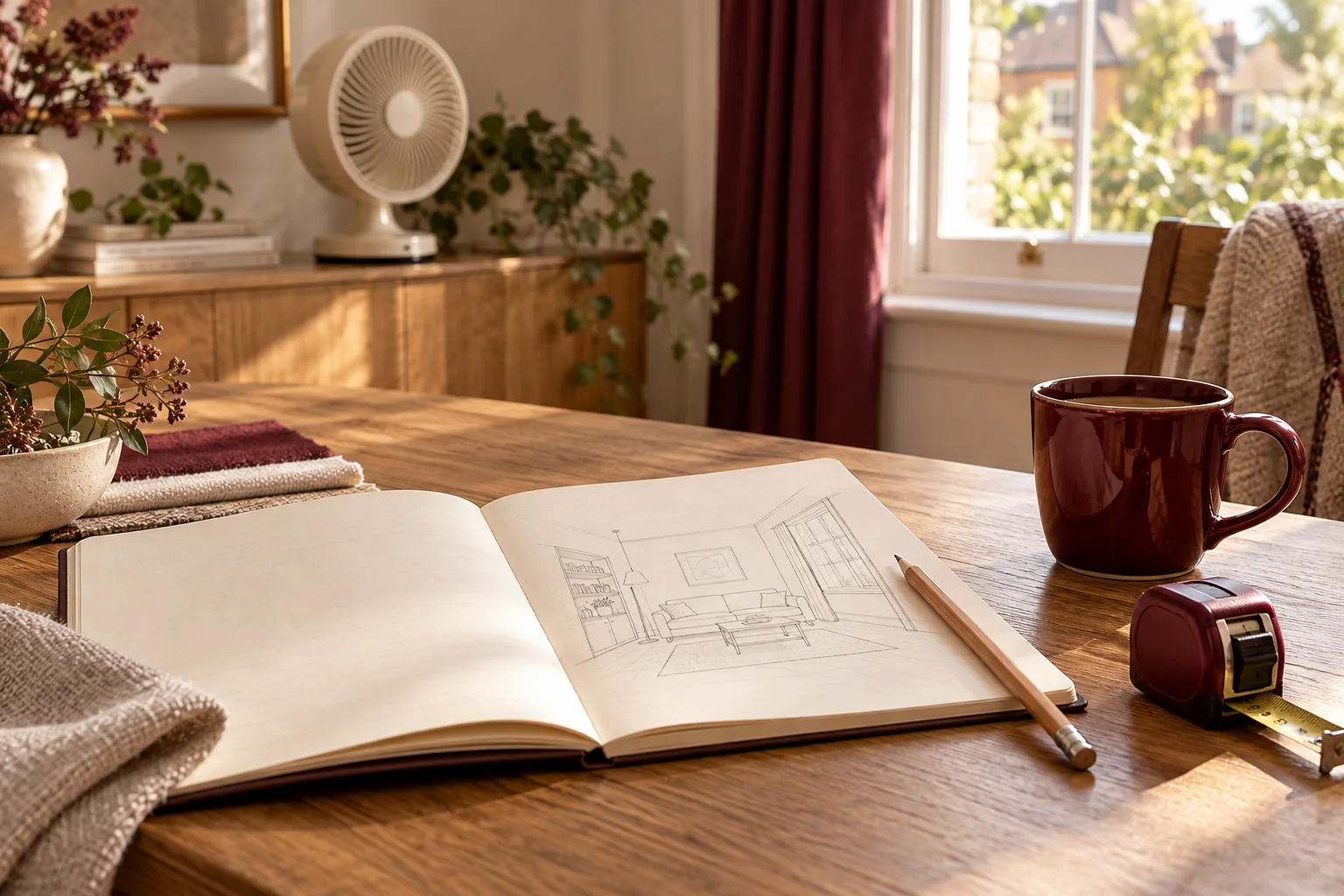
Draw the opening as it works in your room: sliding sideways, lifting upwards or swinging on hinges. Record handles, reveals and the part that must remain accessible. A quick sketch can expose a question that a product photograph cannot answer. The useful purchase decision is whether the specified equipment has an approved arrangement for this opening, not whether another household appears to have managed something similar.
Meaco Cirro 12000 and 12000CH manual EN01 ?
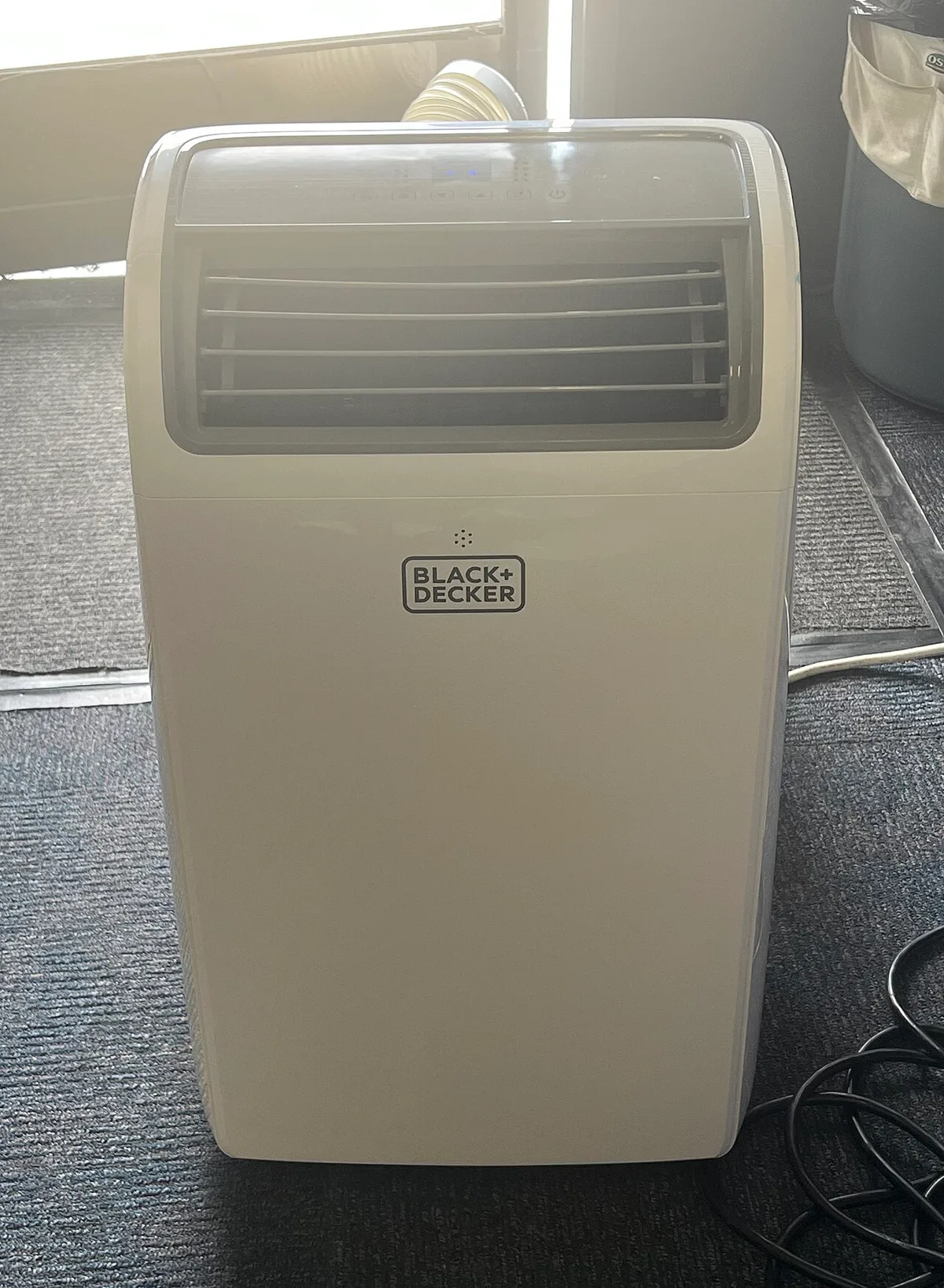
Measure the route rather than one straight line
A hypothetical sketch might show a 120cm direct distance from the proposed appliance position to the window opening. That alone does not prove that a duct will fit. The connection points, permitted routing and space around the appliance still need checking. Do not subtract that distance from a headline hose length and call the result a safe installation margin.
Make separate notes for body position, exhaust connection and opening height. Then compare the drawing with the exact manufacturer's installation diagrams. If the route would require an improvised extension, a sharp bend or a different connector, obtain a supported alternative before purchasing. This guide deliberately does not turn a rough room measurement into an installation approval.
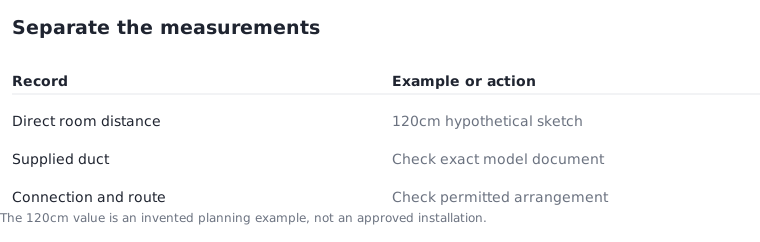
Use photographs to recognise parts, not copy arrangements
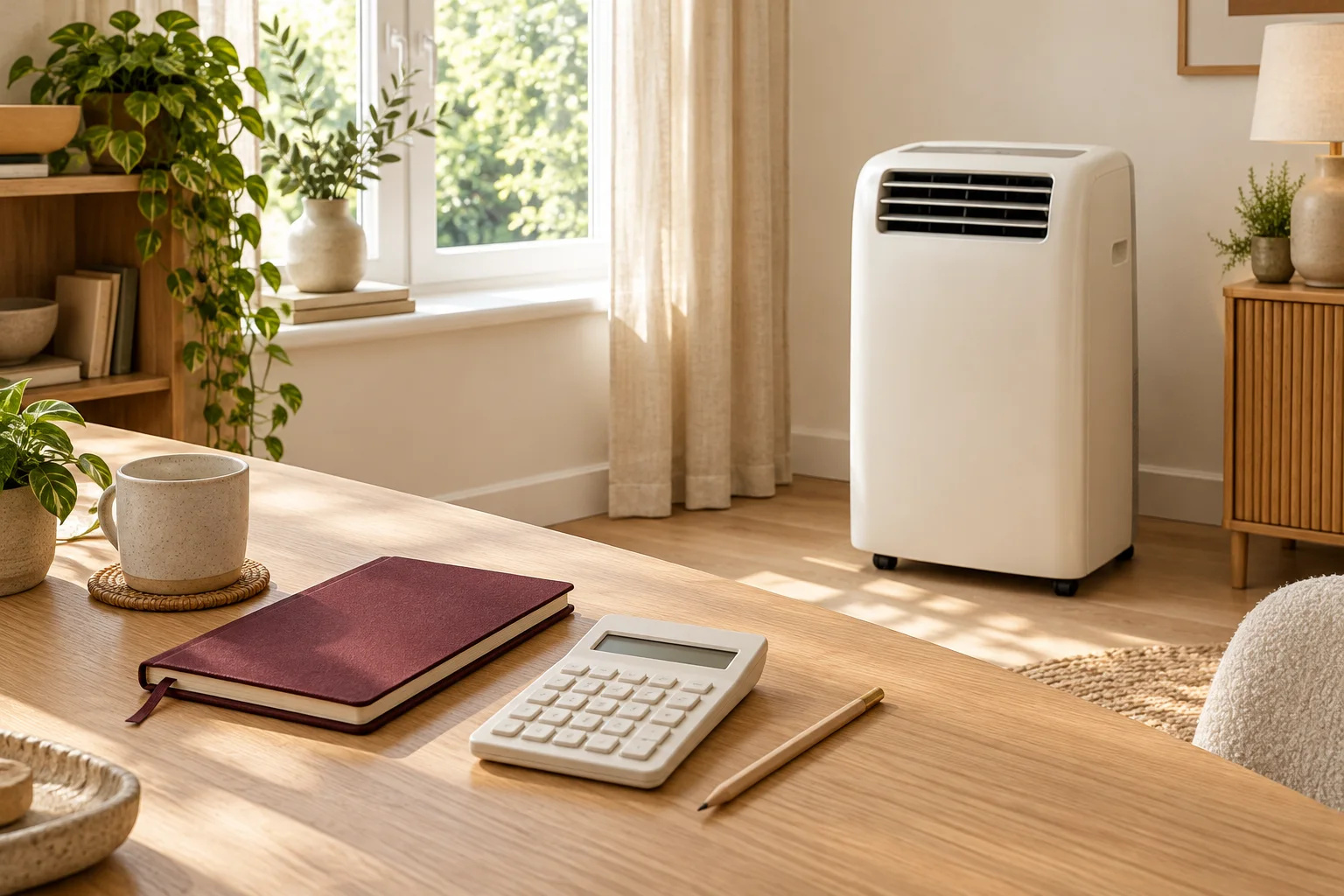
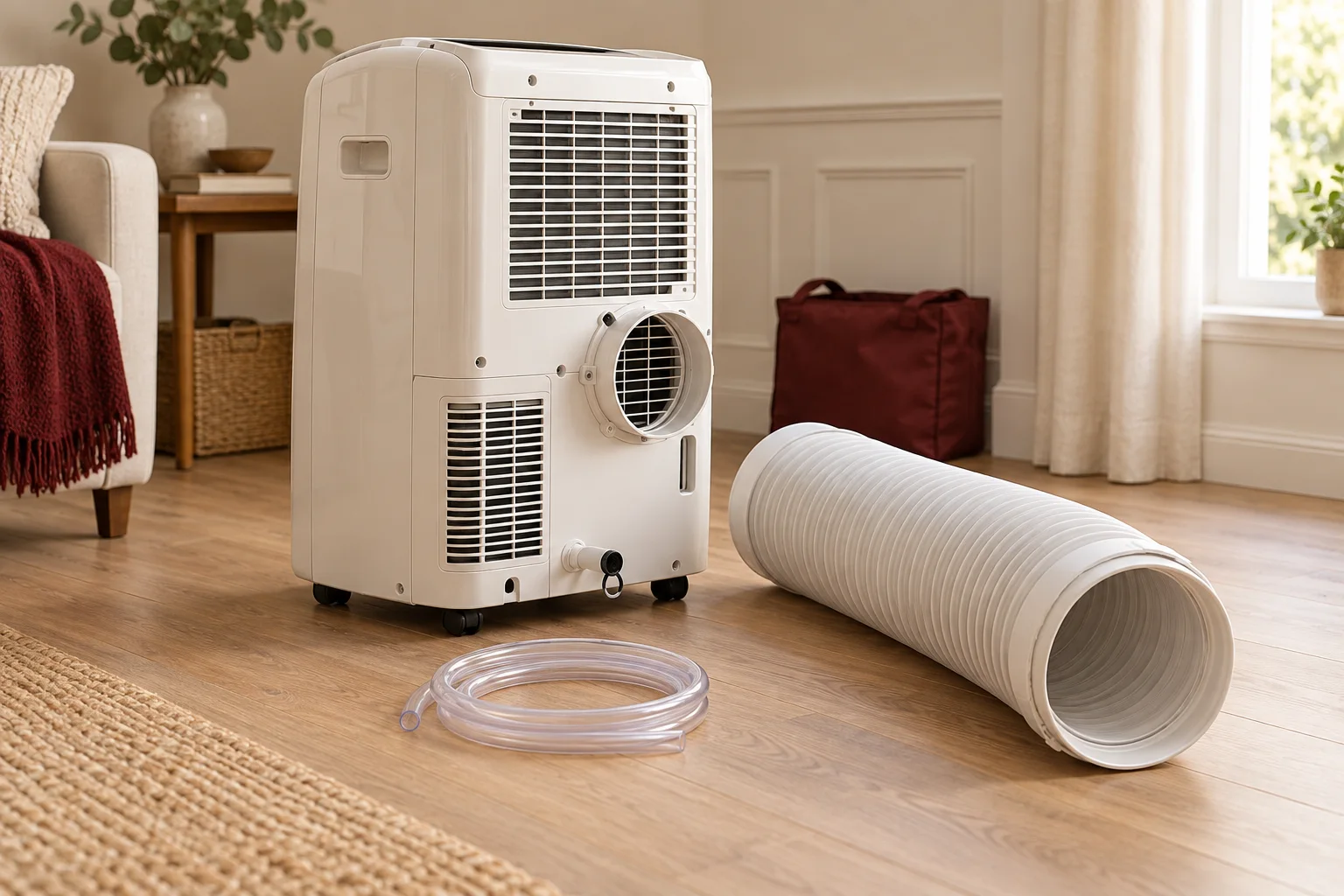
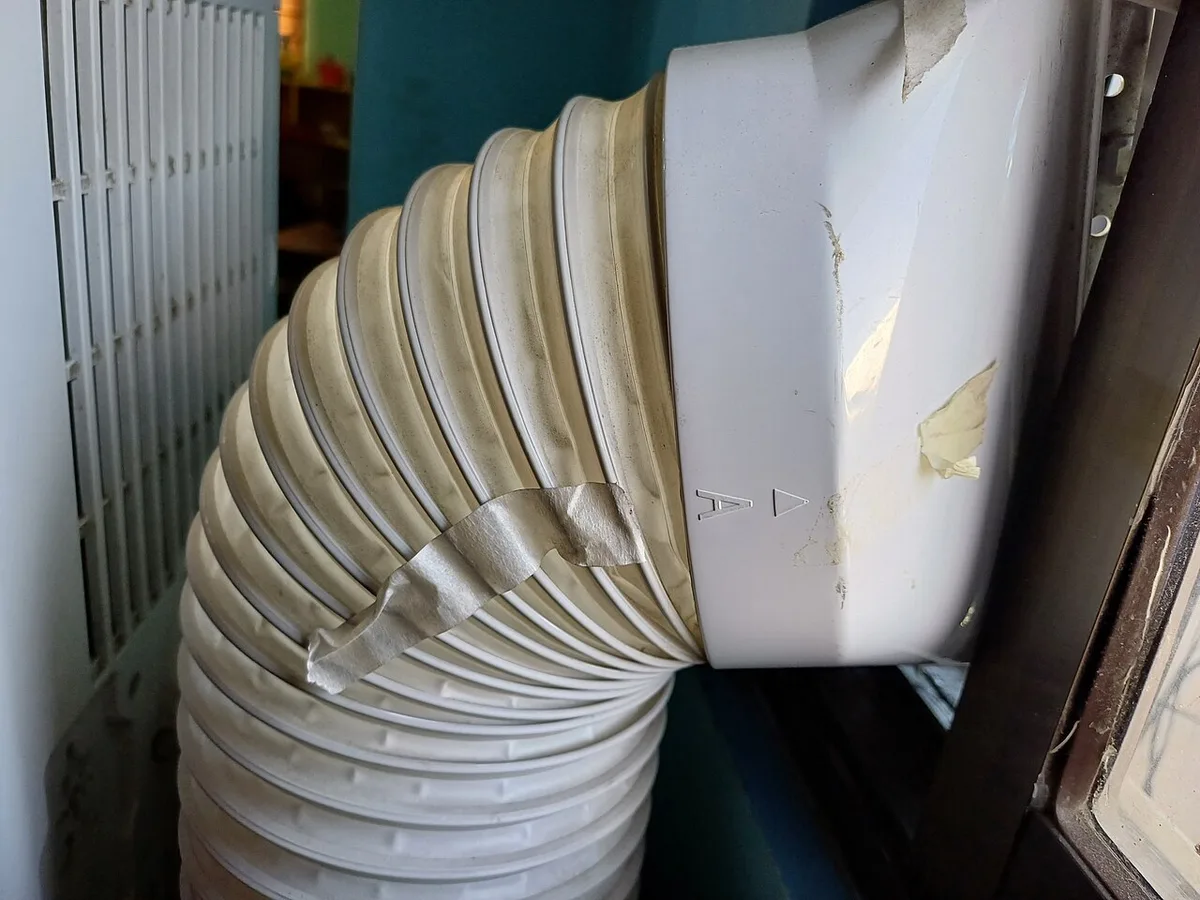
The whole-appliance photograph shows that the body and exhaust route occupy different parts of the scene. The close photograph of a window adaptor makes the connection easier to recognise, but it also shows tape and a historical arrangement. It is an illustration of a component, not evidence that the arrangement is suitable, secure or compliant for your home.
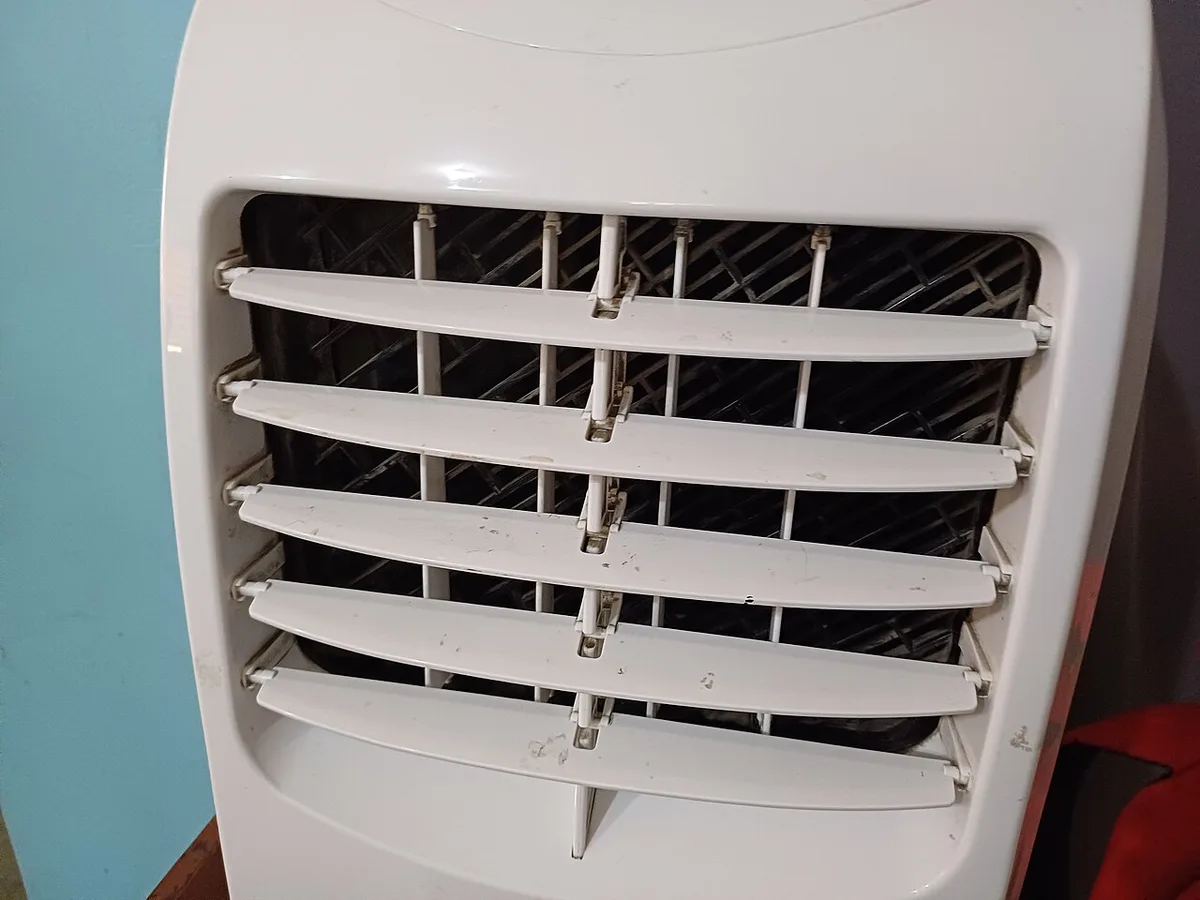
The front-outlet photograph answers a different visual question: where air leaves the front of that particular unit. It does not show the complete rear route. Keeping those views separate prevents a common planning mistake in which a neat front-facing product image is treated as a complete description of the space the appliance requires.
Keep kit compatibility and household constraints together
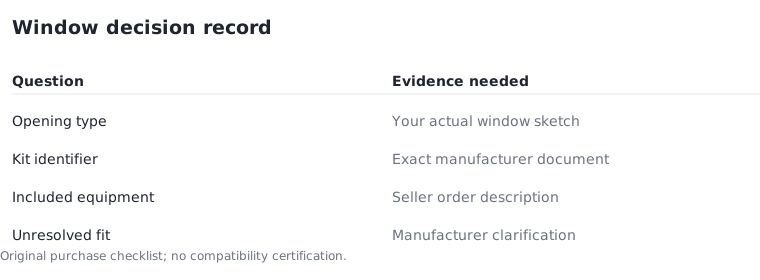
Create a short record with the model identifier, kit identifier, opening type and the question still waiting for an answer. Include any restriction on altering the window or frame. If you need permission from a property owner, resolve that separately; a kit being available does not establish permission to modify the building.
Check how the proposed arrangement affects access to handles, blinds and the normal route through the room. Do not improvise around an escape route or a security problem. Ask the manufacturer or a suitable installer about an unresolved layout rather than assuming that a photograph of a different property supplies the missing information.
Make the buying decision from a complete record
Before ordering, confirm what the seller includes and whether the exact kit in the manual is part of that offer. Keep any support answer alongside the model and date, since an answer about one product should not be silently transferred to a replacement model. A missing dimension should remain a question on your shortlist.
The outcome of this check can be proceed, ask for clarification or choose another approach. None requires inventing a cooling-performance claim. We have not installed or tested the photographed units. The guide helps you decide whether the physical arrangement is sufficiently understood to continue, while the actual manufacturer's instructions remain the source for installation and safe operation.