Keep a room-temperature log separate from appliance settings
Record readings, time and context without turning a selected target or an isolated observation into a performance claim.
Updated:
Label a setting as a setting
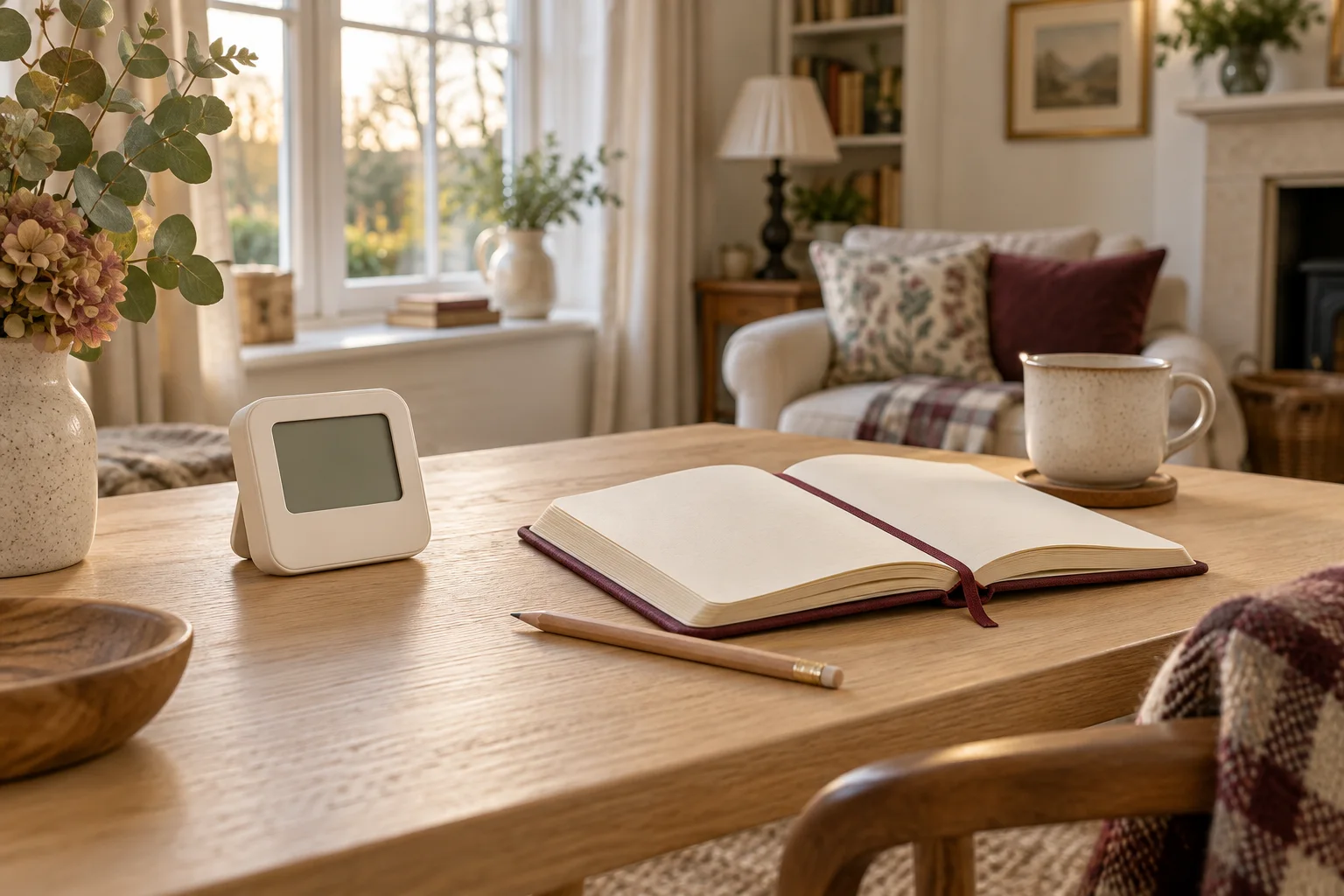
Energy Saving Trust's heating-control guidance distinguishes control functions in a central-heating context. When keeping a household record, retain that distinction between a selected control target and an observation. A display used to set a target is not automatically a separate measurement of the place where you sit.
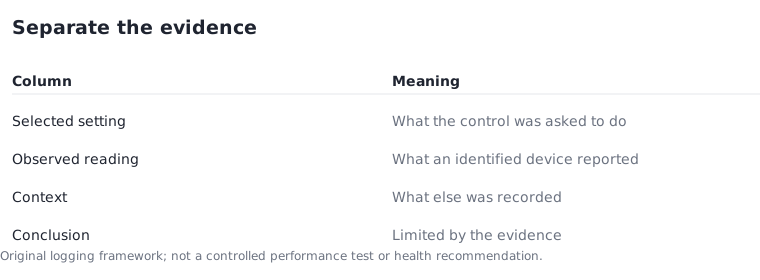
Give each column an explicit name. Use selected setting for the value entered on an appliance and observed reading for a value obtained from an identified measuring device. If you do not know what a particular display represents, consult its manual before adding it to the observation column. A clear label is more useful than an apparently precise but ambiguous number.
Energy Saving Trust: heating controls ?
Build a small illustrative record
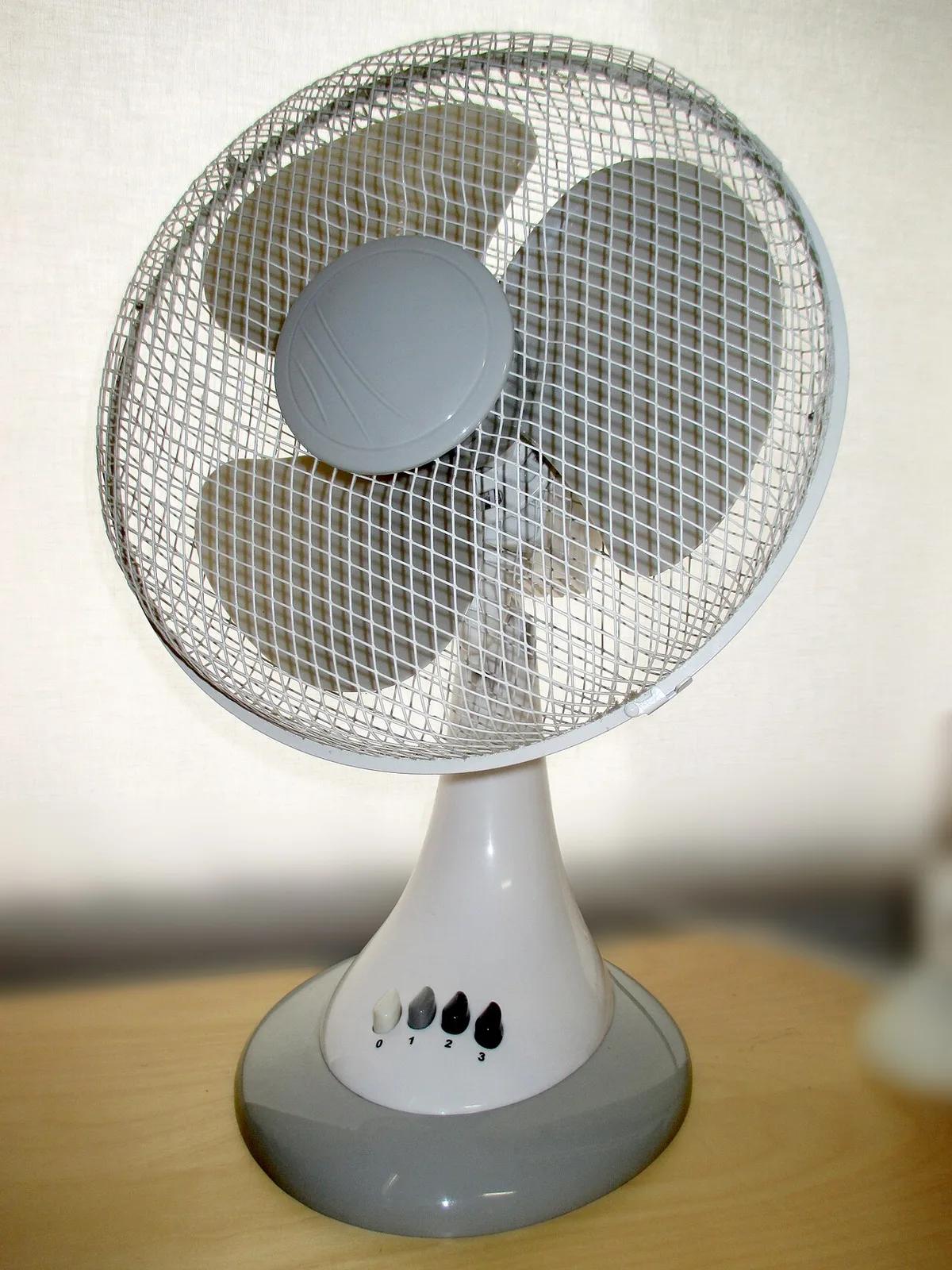
An invented example might record 24°C at 14:00 and 25°C at 16:00 using the same identified device in the same recorded position. The difference is 1°C over 2 hours. These are fictional entries to show the format, not measurements from our office, a product test or a threshold for deciding what equipment to buy.
Add notes about the context you actually observed, such as a window being opened or the room becoming occupied. Do not invent an explanation for the change just because two readings differ. A small household log can help you describe a question, but it is not a controlled experiment that isolates the effect of one appliance.
Keep fan use and room cooling conceptually separate
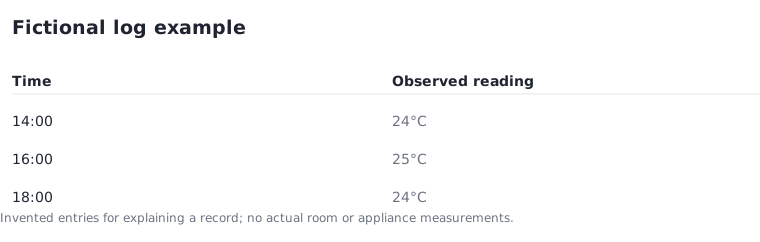
Energy Saving Trust explains that a fan moves air rather than lowering the room's air temperature. A log therefore should not treat a fan's speed setting as a temperature target or assume that a different feeling at the chair proves a measured reduction in the room reading.
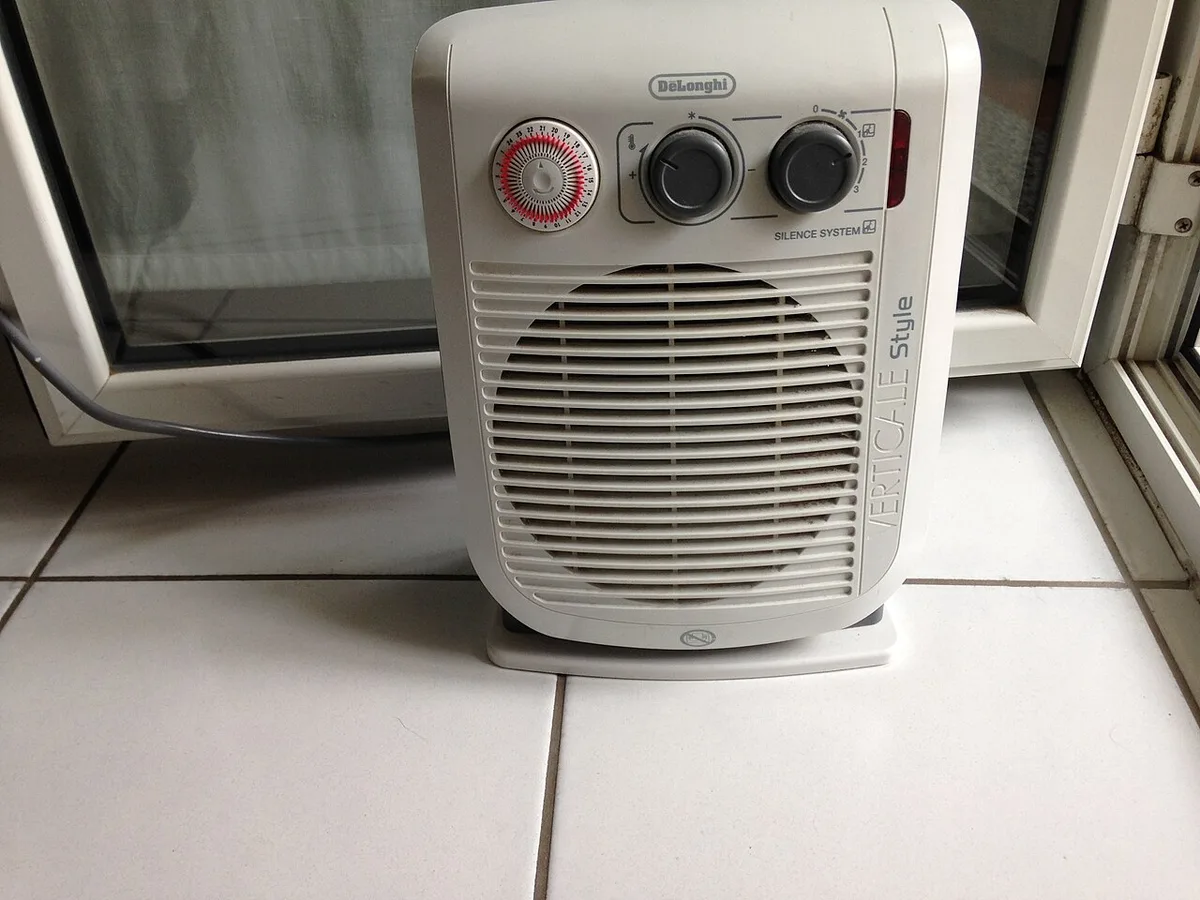
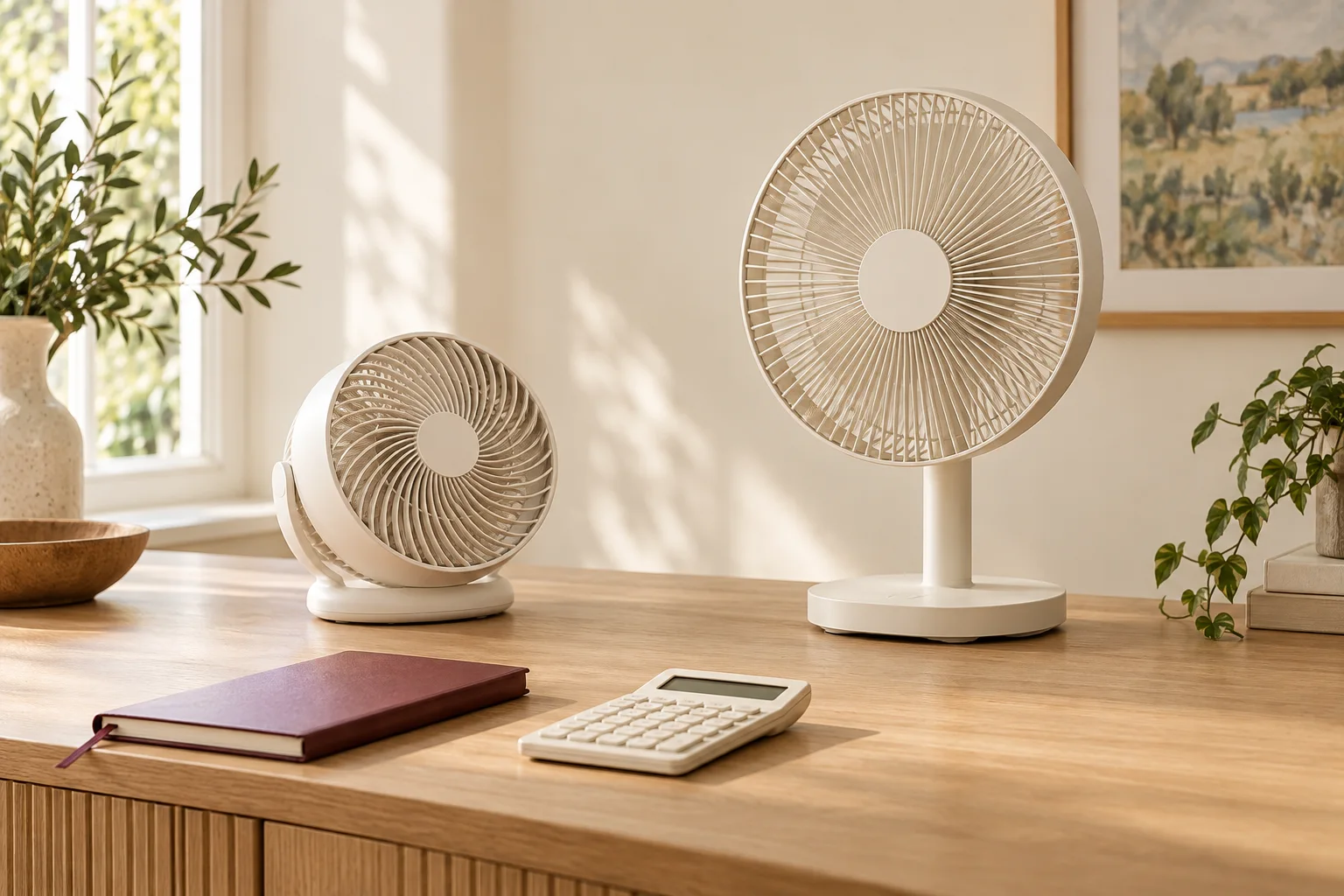
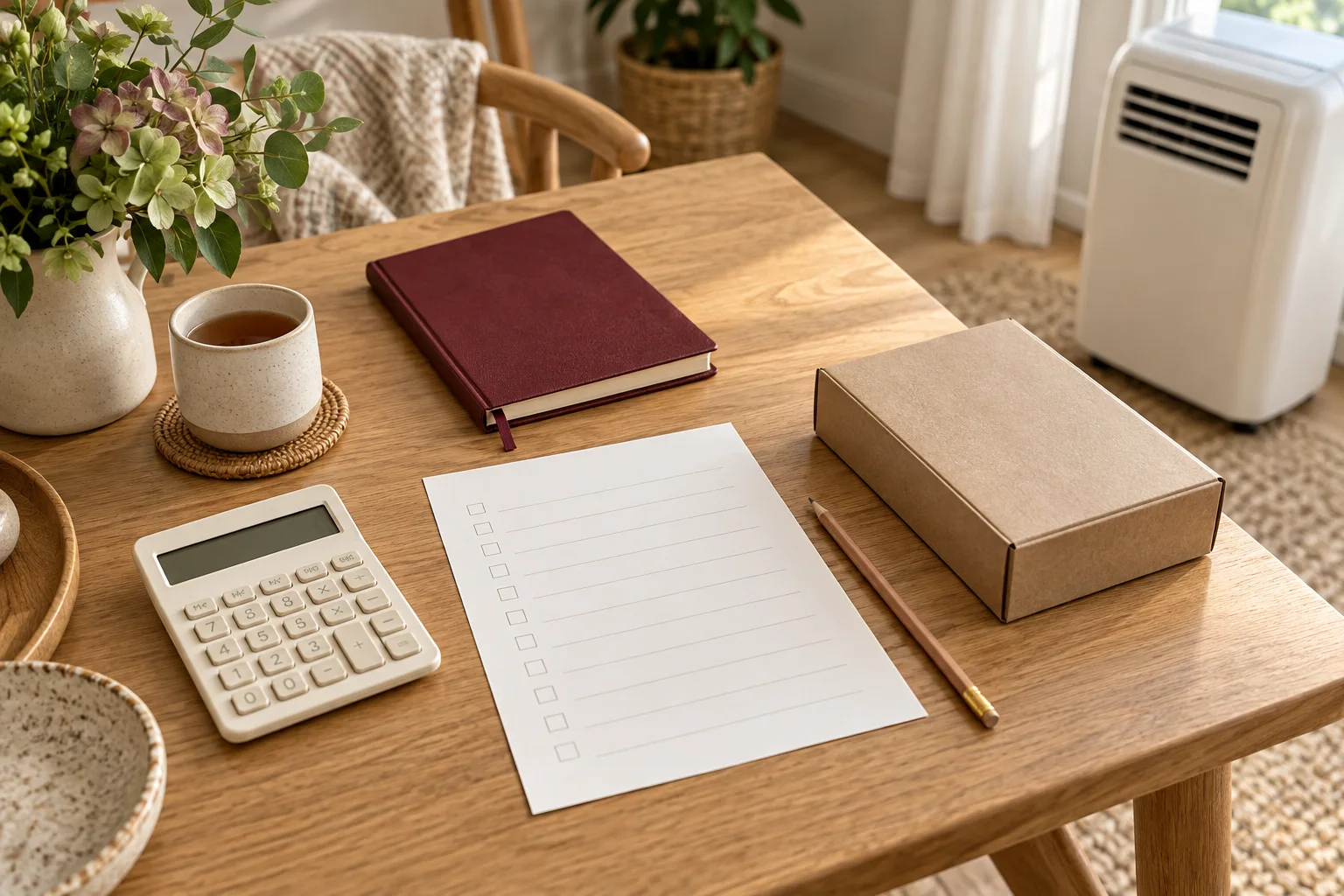
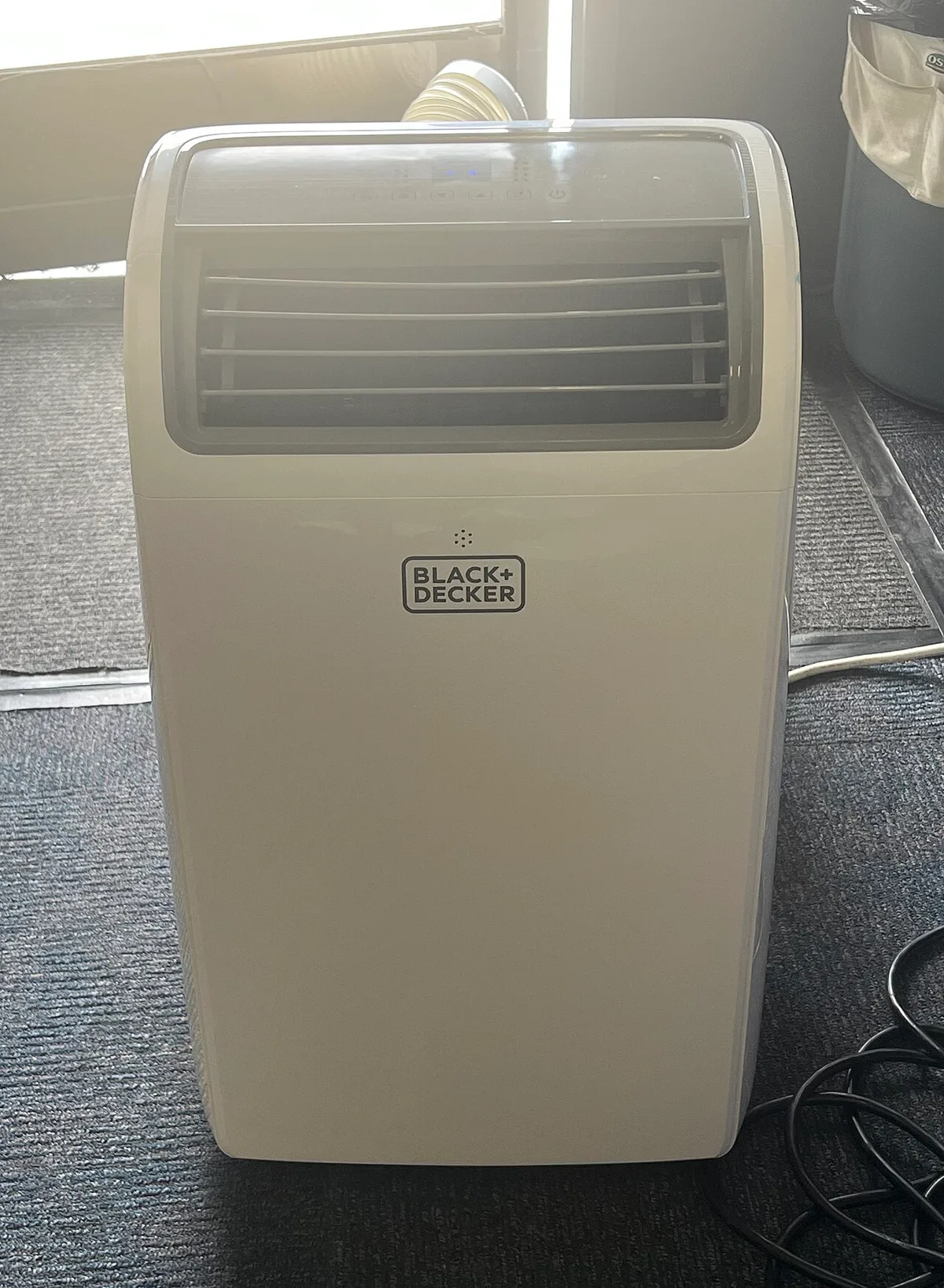
The fan photograph shows numbered speed buttons, the portable air-conditioner photograph shows a different appliance format, and the heater photograph shows several control dials. Their visible controls make the distinction worth checking, but the photographs contain no thermometer readings. Do not use their appearance to fill a missing measurement or imply a documented temperature change.
Energy Saving Trust: keeping your home cool ?
Choose consistency over invented precision
Follow the measuring device's own instructions and record its location and identity. If the device or position changes, note that change rather than presenting the entries as automatically comparable. Keep the original reading and unit, and avoid adding decimal places that the device did not provide.
For the fictional example, a later 24°C entry at 18:00 would return to the first recorded value. That observation alone would not prove that an appliance caused the change or that conditions elsewhere in the room were identical. The purpose of the record is to preserve what was observed and the limits of the comparison.
Use the log to frame a practical question
A useful next step may be to ask a manufacturer what its display represents or to discuss a room issue with an appropriate professional. Keep the log concise enough to show the time, device, position, setting and relevant context. Do not convert an informal diary into a health assessment, a guaranteed comfort rule or a claim about appliance efficiency.
Our examples are deliberately labelled fictional. We have not measured these rooms or tested the pictured products. A transparent log can still improve a purchase conversation by separating actual observations from settings and guesses, making it easier to see what information would be needed for a stronger conclusion.