Keep a fan cleaning record tied to its own manual
Identify the model, preserve the permitted method and record unresolved damage without turning a general guide into disassembly instructions.
Updated:
Find the method before choosing the equipment
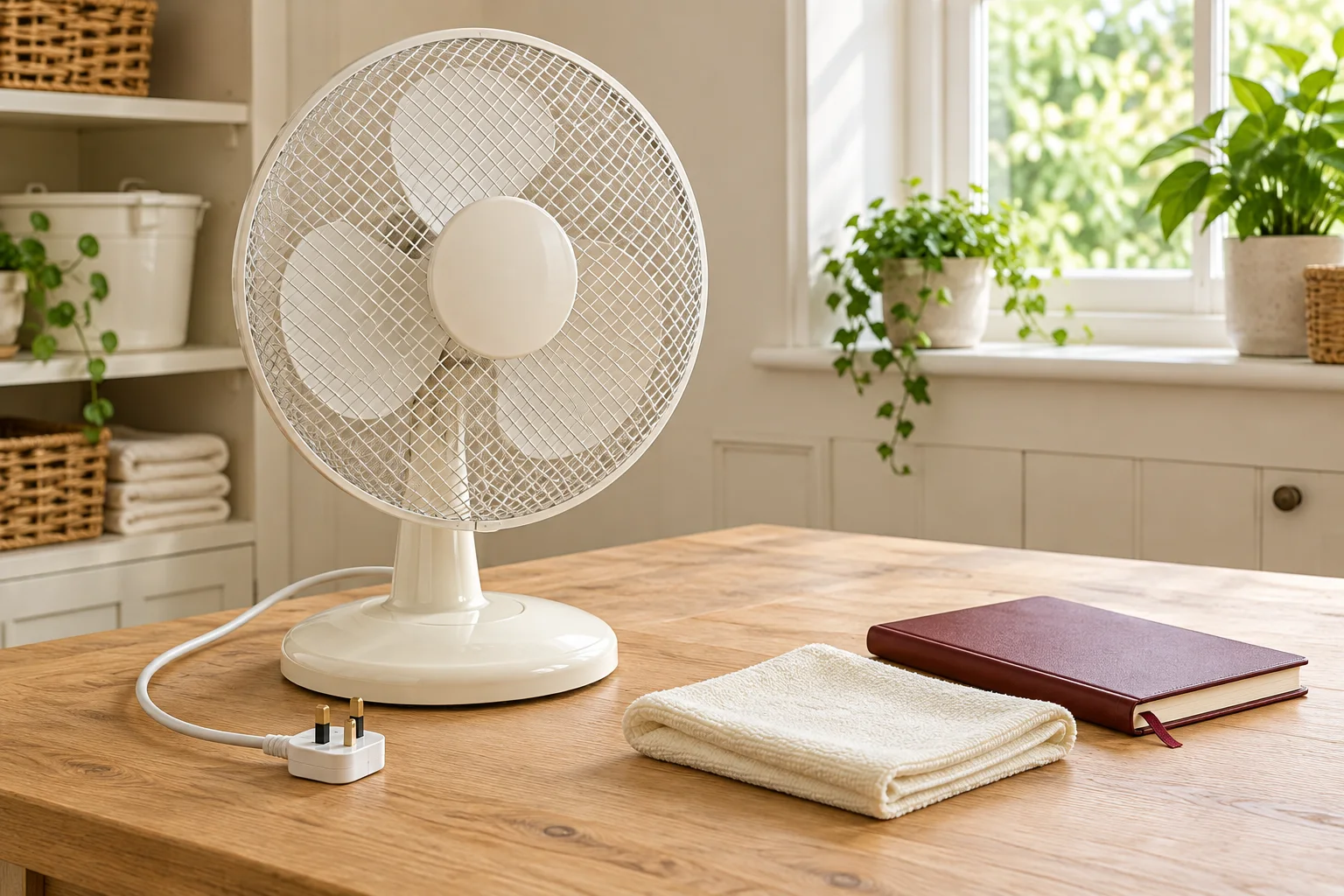
The MeacoFan 1056 manual says to unplug before cleaning and describes cleaning with a soft dry cloth. Use the complete instructions for the exact appliance rather than transferring a method from a different fan. This article is a record-keeping guide, not a replacement cleaning procedure or permission to remove a guard.
Start with the model and the manual version. Note the relevant maintenance section and any part of the process you do not understand. If the document and the physical appliance do not match, resolve the mismatch with the manufacturer before proceeding. A familiar-looking grille does not establish that the same parts are removable in the same way.
MeacoFan 1056 manual MF1056EN3, November 2022 ?
Separate an inspection note from a repair
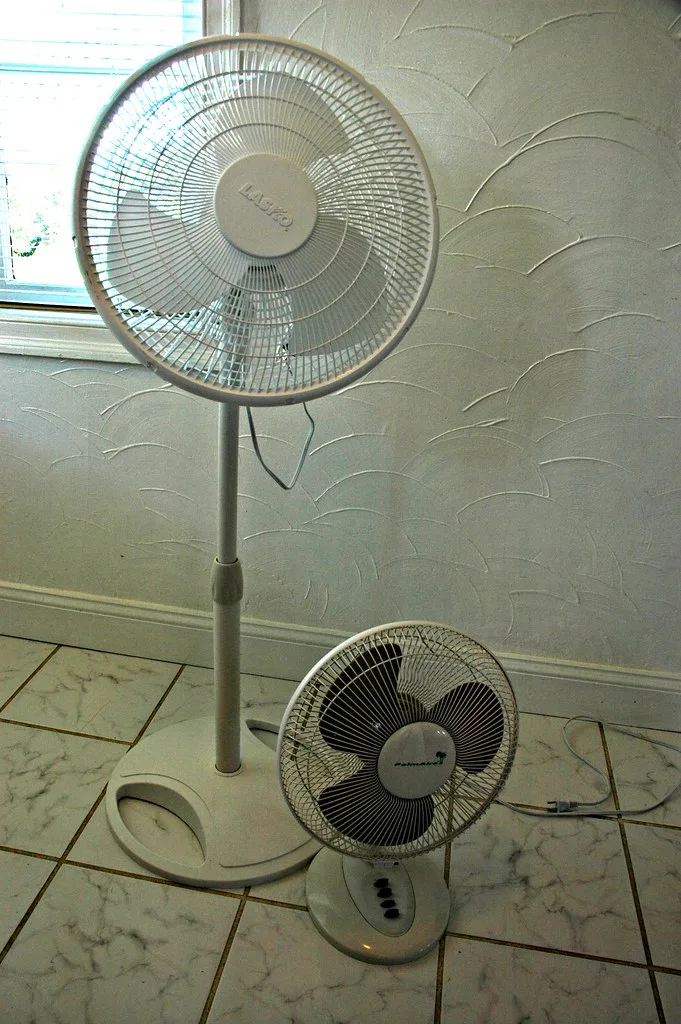
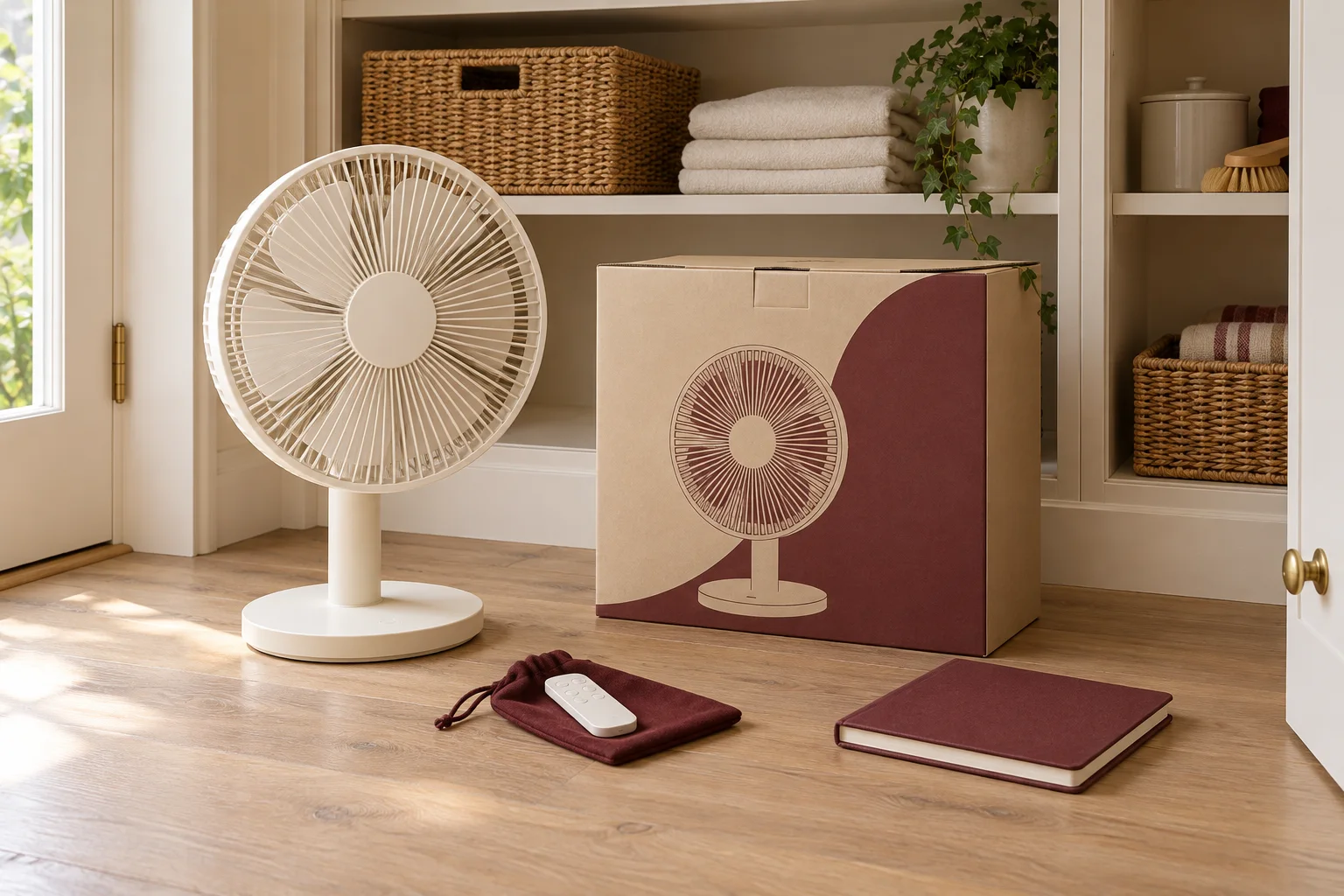
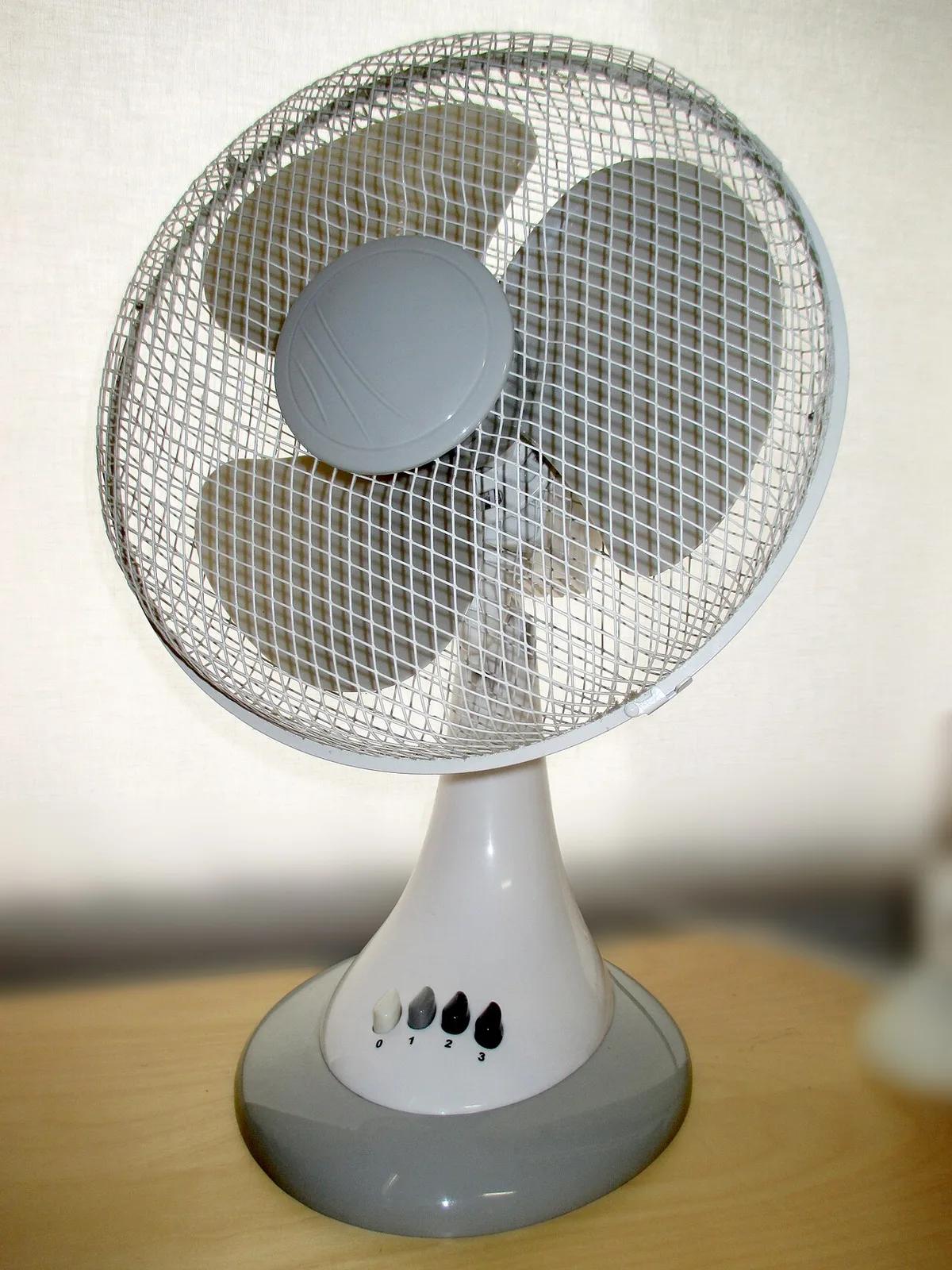
The close-up historical fan photograph makes the grille and blades visible, while the full fan view includes the base and speed buttons. Those images help explain which areas a record might describe. They do not demonstrate a cleaning technique, and they should not be used to infer how to open a housing or reach internal electrical parts.
Record visible damage as an unresolved issue rather than deciding that cleaning will fix it. Do not describe a cracked guard, loose part or damaged cable as routine dust without evidence. If you are uncertain about the condition, stop using the appliance and seek the manufacturer's advice instead of attempting an improvised repair.
Write dates without inventing a universal interval
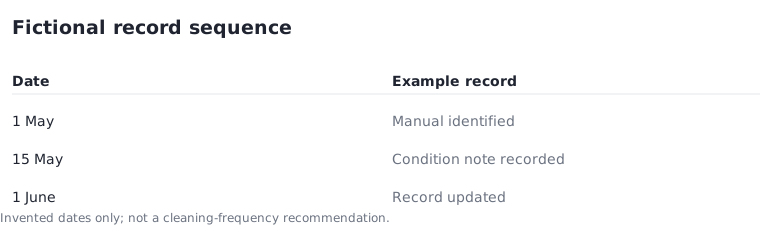
A fictional record might say the manual was checked on 2026-05-01 (1 May), a condition note was made on 2026-05-15 (15 May) and the record was updated on 2026-06-01 (1 June). Those dates show a sequence, not a recommended cleaning schedule. The interval appropriate to a real appliance must come from its instructions and actual conditions rather than this example.
Avoid presenting an invented 14-day or 30-day interval as a universal rule for fans. A diary can help you remember what happened, but a convenient calendar pattern is not evidence of the manufacturer's maintenance requirement. Keep the action date, observed condition and next required step in separate fields.
Preserve the correct model when several fans are stored
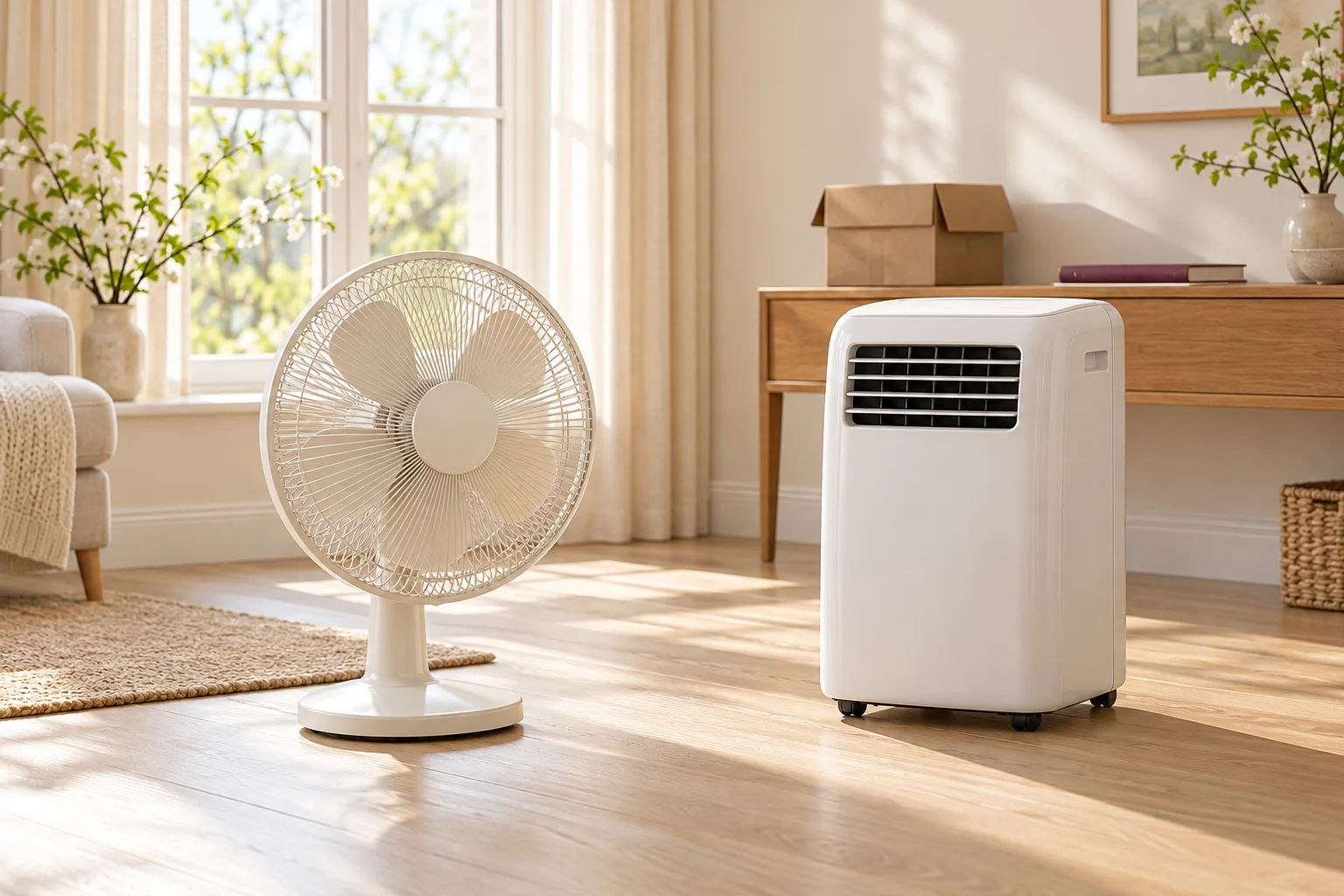
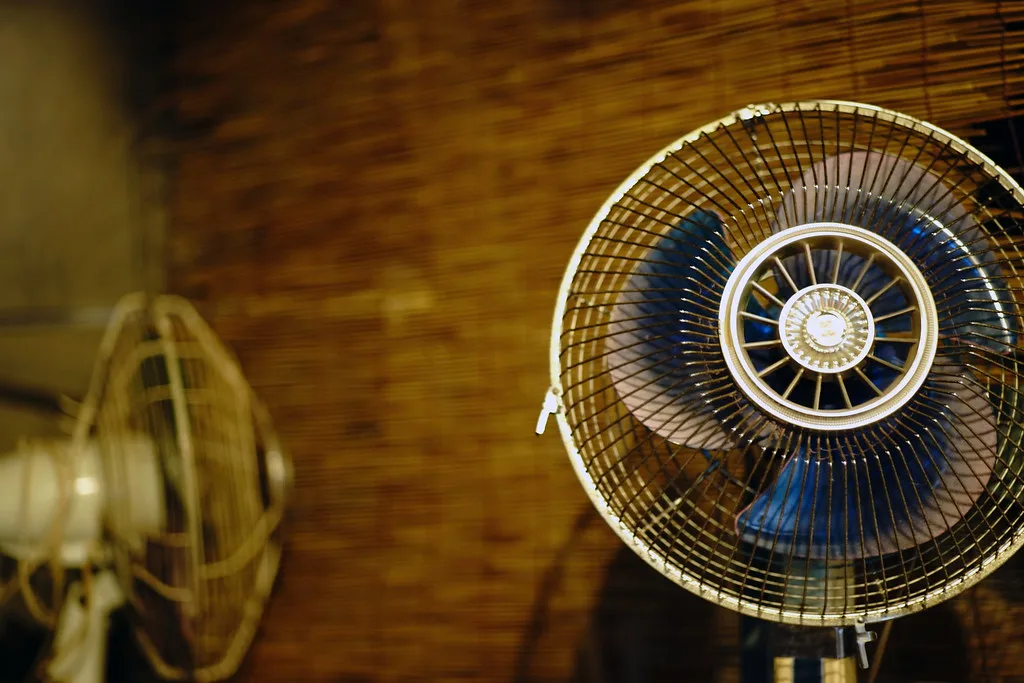
The paired-format photograph shows two visibly different fans. In a household with several appliances, keep each maintenance record tied to its own identifier. A compact table fan and a taller floor fan can require different handling or access even if both serve the same room at different times.
Store the manual link with the record so it can be found again without guessing a search term. If a document changes or the manufacturer clarifies an instruction, retain the newer answer with its date. Do not silently merge a support response about one model into the record for another.
Meaco Sefte 10 Table manual UK02 ?
Leave a clear next action
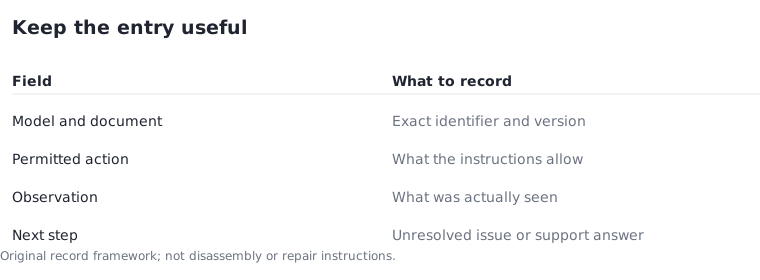
A useful finished entry says what was done under the permitted procedure, what was observed and whether any issue remains. It should not claim that a fan is electrically safe simply because its exterior is clean. If an unresolved fault or damage remains, keep that fact prominent and follow the manufacturer's route for support.
We have not cleaned or tested the photographed appliances. Our examples illustrate how to preserve information, not how to dismantle a fan or validate a repair. The aim is a record that makes the next decision easier: continue under the instructions, obtain clarification or keep the appliance out of use until the issue is resolved.